Kenmore Series 700s Washer Manual: A Comprehensive Guide
This manual details the Kenmore Series 700s washer‚ offering guides‚ troubleshooting‚ parts diagrams (like model 110.92273100)‚ and access to online resources for optimal performance.
Understanding Your Kenmore 700 Series Washer
Your Kenmore 700 Series washer is a robust appliance designed for efficient and reliable laundry care. This series‚ including models like 110.92273100‚ offers a blend of features for various fabric types and cleaning needs. Familiarizing yourself with its components – from the control panel to the internal drum – is crucial for maximizing its lifespan and performance.
Locating the model and serial number plate is the first step‚ providing vital information for maintenance‚ repairs‚ and accessing specific documentation. Understanding the washer’s capabilities ensures you utilize the correct cycles and settings for each load‚ preserving your garments and optimizing cleaning results.
Locating the Model and Serial Number
Identifying your Kenmore 700 Series washer’s model and serial number is essential for accessing support‚ ordering parts‚ and referencing the correct documentation. These numbers are prominently displayed on the Model and Serial Number Plate. Typically‚ this plate is located on the washer’s cabinet‚ often behind the lid or on the rear panel.
Record these numbers in a safe place for future reference. Having this information readily available streamlines troubleshooting‚ warranty claims‚ and ensures you receive the correct replacement parts when needed. The model number specifically identifies the washer’s features‚ while the serial number tracks its manufacturing date.
Safety Precautions and Warnings
Prioritize safety when operating your Kenmore 700 Series washer. Always disconnect the power supply before performing maintenance or cleaning. Never attempt to repair the washer yourself; contact a qualified technician for service. Keep children and pets away from the washer during operation.
Do not wash items that have been cleaned with flammable liquids. Ensure proper ventilation to prevent gas buildup. Avoid overloading the washer‚ as this can cause instability and potential injury. Follow all detergent and bleach manufacturer’s instructions carefully. Heed all warning labels affixed to the appliance.
Washer Features and Controls Overview
The Kenmore 700 Series washer boasts a range of features designed for efficient cleaning. Key components include a durable drum‚ multiple wash cycles‚ and adjustable water temperature settings. The control panel provides intuitive operation‚ allowing users to select desired options easily.
This model offers various cycle selections tailored to different fabric types and soil levels. Dispensers are included for detergent‚ fabric softener‚ and bleach. Understanding these features and controls ensures optimal performance and extends the lifespan of your appliance.
Control Panel Explained
The Kenmore 700 Series control panel features a user-friendly interface. A central dial selects wash cycles – Normal‚ Delicates‚ Heavy Duty‚ and more. Separate buttons control water temperature (Hot‚ Warm‚ Cold) and spin speed. Digital displays clearly indicate cycle progress and remaining time. Dedicated compartments manage detergent‚ fabric softener‚ and bleach dispensing.
Additional options may include extra rinse cycles or soil level adjustments. Familiarizing yourself with each button and setting ensures you can customize washes to meet your specific laundry needs‚ maximizing cleaning effectiveness.
Cycle Selection Guide
Normal/Regular is ideal for everyday cottons and linens. Delicates provides gentle washing for lingerie‚ silks‚ and sheer fabrics. Heavy Duty tackles heavily soiled items like work clothes and towels. Permanent Press minimizes wrinkles in synthetic blends. A Bulky Items cycle accommodates comforters and blankets.
Quick Wash offers a shorter cycle for lightly soiled loads. Consider using Whites cycle with hot water and bleach for optimal brightening. Always check garment care labels before selecting a cycle to prevent damage and ensure proper cleaning.
Water Temperature Settings
Hot water is best for whites and heavily soiled items‚ maximizing cleaning power but potentially causing fading. Warm water is suitable for most loads‚ offering a balance between cleaning and color protection. Cold water is ideal for delicates‚ bright colors‚ and preventing shrinking.
Using cold water also saves energy! Always refer to garment care labels for specific temperature recommendations. Some cycles may automatically adjust temperature based on the selected program. Ensure proper water temperature selection for optimal results and fabric care.
Loading and Unloading the Washer
Proper loading ensures effective cleaning and prevents damage to both clothes and the machine. Distribute items evenly around the agitator or drum‚ avoiding overloading. Unloading should be done carefully‚ removing items promptly to prevent mildew.

Always check pockets for objects before loading. Avoid forcing large or bulky items into the washer. A balanced load minimizes vibration and noise during operation. Follow fabric care labels for specific washing instructions. Regular‚ mindful loading and unloading contribute to the longevity of your Kenmore 700 Series washer.
Proper Load Size and Distribution
Optimal load size depends on the fabric type and soil level. Avoid overfilling; clothes need room to move for effective cleaning. For top-load washers‚ a good rule is to fill the drum loosely‚ leaving space below the agitator.
Even distribution is crucial to prevent imbalance. Mix heavy and light items. Don’t wash single‚ bulky items like blankets alone – add towels for balance. An unbalanced load can cause excessive vibration‚ noise‚ and potential damage to the washer. Prioritize balanced loads for quiet‚ efficient operation.
Recommended Detergent Usage
Detergent amount significantly impacts cleaning performance and prevents residue buildup. Always follow the detergent manufacturer’s recommendations‚ adjusting for load size and soil level. Using too much detergent doesn’t mean cleaner clothes; it can leave residue and potentially damage the washer.
HE (High Efficiency) detergents are required for Kenmore Series 700 washers. Regular detergents produce excessive suds‚ interfering with the wash cycle. Measure detergent carefully using the provided dispenser; avoid overfilling. Liquid or powder detergents are suitable‚ but ensure complete dissolution.
Fabric Softener and Bleach Dispensers
Your Kenmore 700 Series washer features dedicated dispensers for liquid bleach and fabric softener. The bleach dispenser‚ typically marked with a chlorine symbol‚ automatically dilutes bleach before it enters the wash cycle – never pour bleach directly into the drum.
The fabric softener dispenser‚ often indicated by a flower symbol‚ releases softener during the final rinse cycle. Avoid overfilling either dispenser‚ as this can cause staining or residue. Regularly clean these dispensers to prevent clogs and ensure proper operation.
Operating Instructions: Step-by-Step Guide
To begin a wash‚ load your laundry‚ add detergent‚ and select the appropriate cycle and water temperature. Press the ‘Start’ button to initiate the wash cycle. Pausing a cycle requires pressing the ‘Pause’ button; pressing it again will resume operation.
Adding garments mid-cycle is possible within the first few minutes – press ‘Pause’‚ open the lid (if the washer allows)‚ add items‚ and resume. Always ensure the water level accommodates added items. Refer to the cycle selection guide for optimal settings based on fabric type and soil level.
Starting a Wash Cycle
Before starting‚ verify the washer lid is securely closed – a safety interlock prevents operation if open. Next‚ confirm your selected cycle and water temperature are correct for the load. Press the ‘Start’ or ‘Start/Pause’ button; the washer will fill with water‚ agitate‚ and proceed through the cycle.

The control panel will display the cycle’s progress. Listen for normal operating sounds; unusual noises may indicate an issue. Avoid interrupting the cycle unless necessary‚ as this can affect cleaning performance.
Pausing and Restarting a Cycle
To pause a wash cycle on your Kenmore 700 Series washer‚ simply press the ‘Start/Pause’ button again. The washer will stop agitation and begin to drain‚ if applicable. The control panel will indicate the paused state. To restart‚ press ‘Start/Pause’ once more; the cycle will resume from where it left off.
Note: Adding or removing items mid-cycle after pausing may require re-balancing the load. Frequent pausing and restarting can potentially affect cycle timing. Always ensure the lid is closed before restarting.
Adding Garments Mid-Cycle
Adding garments mid-cycle on a Kenmore 700 Series washer is possible‚ but requires caution. First‚ pause the cycle using the ‘Start/Pause’ button. Carefully open the lid – the washer will likely be full of water. Gently add the forgotten item‚ ensuring it’s fully submerged.
Avoid overloading; an unbalanced load can cause issues. After adding the garment‚ close the lid securely and press ‘Start/Pause’ to resume. Be aware that adding items may slightly extend the cycle time.
Troubleshooting Common Issues
Encountering problems with your Kenmore 700 Series washer? This section addresses frequent concerns. If the washer won’t start‚ check the power cord and ensure the lid switch is functioning correctly. For drainage issues‚ inspect the drain hose for kinks or clogs.
Error codes indicate specific malfunctions; consult the manual for their meanings. Common codes relate to unbalanced loads‚ water temperature‚ or motor issues. Always disconnect power before attempting any repairs. Refer to parts diagrams (model 110.92273100) for component locations.
Washer Won’t Start
If your Kenmore 700 Series washer fails to power on‚ begin with the simplest checks. Verify the power cord is securely plugged into a working outlet. Test the outlet with another appliance to confirm it’s receiving power. Next‚ check the lid switch; the washer won’t start if the lid isn’t properly closed.

Inspect the control panel for any illuminated error codes. A tripped circuit breaker or blown fuse can also prevent operation. If these steps don’t resolve the issue‚ consult the full manual or a qualified technician.
Washer Not Draining
A Kenmore 700 Series washer failing to drain often indicates a blockage. First‚ check the drain hose for kinks or obstructions. Ensure it isn’t inserted too far into the drainpipe‚ which can cause siphoning. Next‚ locate and clean the drain pump filter – this frequently collects lint‚ coins‚ and small objects.
Consult your manual for the filter’s specific location. If the pump itself is faulty‚ or if a clog persists‚ professional repair may be necessary. Avoid running the washer until the draining issue is resolved.
Error Codes and Their Meanings (Specifically for Series 700)
Kenmore 700 Series washers utilize error codes to diagnose issues. While specific codes vary‚ common ones include F01 (water inlet error)‚ indicating a problem with water filling‚ and F02 (drainage error)‚ signaling a draining issue. F03 often relates to an unbalanced load‚ requiring redistribution of clothes.
An F05 code may point to a lid switch malfunction‚ preventing operation. Refer to your washer’s manual for a complete list and detailed troubleshooting steps for each code. Ignoring error codes can lead to further damage.
Maintenance and Cleaning
Regular maintenance extends your Kenmore 700 Series washer’s lifespan. Clean the drum monthly using a washer cleaner or hot water and vinegar to prevent mildew. Detergent dispensers should be cleaned frequently to avoid buildup and clogs.
Crucially‚ clean the filter – typically located at the bottom front – to remove lint and debris. This prevents drainage issues. Inspect hoses for cracks and replace as needed. Following these steps ensures optimal performance and prevents costly repairs.
Cleaning the Washer Drum
Maintaining a clean drum is vital for preventing odors and residue buildup in your Kenmore 700 Series washer. Monthly cleaning is recommended. Run an empty hot water cycle with a commercial washer cleaner‚ following the product’s instructions carefully.
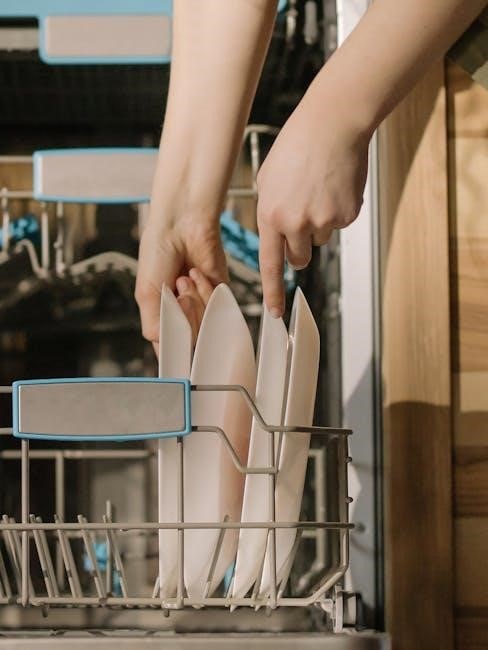
Alternatively‚ add two cups of white vinegar directly to the drum and run a hot water cycle. Wipe down the drum after each use to remove any lingering debris. This simple routine ensures hygienic laundry and prolongs the washer’s life.
Cleaning the Detergent Dispensers
Regularly cleaning the detergent dispensers prevents clogs and ensures proper dispensing. Remove the dispensers (refer to your manual for specific instructions) and rinse them thoroughly under warm water. Use a soft brush to scrub away any hardened detergent residue.

For stubborn buildup‚ soak the dispensers in a solution of warm water and vinegar for 30 minutes before scrubbing. Ensure dispensers are completely dry before reinserting them. This prevents mold and mildew growth‚ maintaining optimal washer performance.
Filter Cleaning Procedures
Maintaining a clean filter is crucial for preventing drain issues and ensuring efficient washer operation. Locate the filter – typically at the bottom front of the machine‚ behind an access panel. Always unplug the washer before accessing the filter.
Place a shallow pan or towels to catch any residual water. Carefully unscrew and remove the filter‚ cleaning out lint‚ debris‚ and small objects. Rinse thoroughly and reinstall‚ ensuring a tight seal. Regular filter cleaning prevents blockages and prolongs your Kenmore 700 Series washer’s lifespan.
Parts Diagrams and Exploded Views (Model 110.92273100)
Detailed parts diagrams and exploded views for Kenmore washer model 110.92273100 are essential for repairs and maintenance. These diagrams illustrate the washer’s components‚ their placement‚ and how they interact. Accessing these visuals aids in identifying the correct replacement parts and understanding the assembly process.

Documents available online showcase over 100 individual parts‚ from the motor and pump to smaller screws and seals. Utilizing these resources simplifies troubleshooting and ensures accurate repairs‚ extending the life of your appliance.
Finding Replacement Parts
Locating replacement parts for your Kenmore Series 700s washer is streamlined through several online resources. Websites like Repair Clinic are recommended for validating your model number – a crucial first step. Once confirmed‚ you can search for specific components using the detailed parts diagrams available.
Genuine Kenmore parts‚ or compatible alternatives‚ can be ordered directly from these sites. Having the model number (e.g.‚ 110.92273100) readily available ensures you receive the correct part for a successful repair.
Kenmore Washer Manuals: Accessing Online Resources
Numerous online resources provide access to Kenmore washer manuals‚ including those for the Series 700s. Before posting requests for manuals‚ it’s advised to explore the “Downloads” sections of appliance parts websites. A helpful video guides users on effectively searching for these documents.
PDF versions of manuals‚ like the Kenmore 700 Series Washer Guide‚ are readily available. Websites hosting these resources often require model number validation (e.g.‚ 110.28722700) to ensure you download the correct documentation for your specific appliance.