Carrier Furnace Troubleshooting Manual ─ Comprehensive Plan
This manual provides a detailed guide for diagnosing and resolving common issues with Carrier furnaces, encompassing safety, component functions, and advanced diagnostics.
It covers airflow restrictions, inducer motor problems, gas valve checks, and potential heat exchanger failures, ensuring comprehensive troubleshooting for optimal furnace performance.
Regular maintenance, filter checks, and professional inspections are crucial for preventing costly repairs and maintaining a safe, efficient heating system throughout the winter.
Carrier furnaces, renowned for their efficiency and reliability, occasionally require troubleshooting to maintain peak performance. This section introduces a systematic approach to diagnosing and resolving common issues, empowering both homeowners and qualified technicians. Understanding the fundamental principles of furnace operation is paramount before attempting any repairs; A malfunctioning furnace can present safety hazards, including carbon monoxide leaks, necessitating cautious and informed intervention.
This manual aims to demystify the troubleshooting process, providing clear, concise instructions and highlighting critical safety precautions. We will explore essential components, common problems like short cycling or no heat, and detailed steps for effective diagnosis. Remember, always disconnect power before inspecting internal components. Proper airflow is vital; a clogged air filter or evaporator coil can trigger nuisance shutdowns. Regular maintenance, including filter replacement and professional inspections, significantly reduces the likelihood of major breakdowns and extends the lifespan of your Carrier furnace.
II. Safety Precautions
Working with furnaces involves potential hazards; prioritizing safety is absolutely crucial. Always disconnect electrical power to the furnace at the breaker box before commencing any inspection or repair work. Gas appliances pose a risk of fire and explosion; never attempt repairs if you smell gas – immediately contact your gas company. Carbon monoxide (CO) is a silent killer; ensure CO detectors are installed and functioning correctly near the furnace.
Do not bypass or disable any safety devices, such as limit switches or flame sensors. If you are uncomfortable or lack experience, consult a qualified HVAC technician. Wear appropriate personal protective equipment (PPE), including safety glasses and gloves. Be mindful of sharp edges and hot surfaces within the furnace. Proper ventilation is essential when working with gas appliances. Never work alone; having someone nearby can provide assistance in case of an emergency. Ignoring these precautions can lead to serious injury or property damage.
III. Basic Furnace Components & Their Functions
Carrier furnaces rely on several key components working in harmony. The gas valve controls gas flow to the burners, while the hot surface igniter (HSI) initiates combustion. The flame sensor verifies a stable flame, shutting off gas if none is detected. The inducer motor vents combustion gases, and the pressure switch confirms proper venting before allowing operation.
The blower motor circulates heated air, driven by a fan blade. Crucially, the control board acts as the “brain,” managing all functions via wiring and sensors. Air filters protect the system from debris. Understanding these components – their roles and interactions – is fundamental for effective troubleshooting. A blocked filter restricts airflow, impacting efficiency and potentially triggering safety switches. Proper function of each part is vital for safe and efficient heating.

A. Gas Valve & Gas Supply Check

Confirming adequate gas supply is the first step in diagnosing no-heat issues. Verify the main gas shut-off valve is open, and check for gas service interruptions with your provider. At the furnace, visually inspect the gas valve for damage. A gentle tap on the valve with a screwdriver handle while the HSI energizes can sometimes dislodge a stuck valve, but proceed cautiously.
Ensure the gas valve receives power from the control board. A multimeter can test for voltage. If gas is present but the valve doesn’t open, the valve itself may be faulty and require replacement. Never attempt to repair a gas valve; it’s a safety hazard. Always prioritize safety when working with gas lines and components.
B. Igniter (HSI) & Flame Sensor
The Hot Surface Igniter (HSI) should glow brightly when energized, indicating proper function. A dim or non-glowing HSI suggests a failing igniter needing replacement. Visually inspect the HSI for cracks or damage. The flame sensor, typically a single metal rod, detects the presence of flame. A dirty flame sensor is a common cause of no-heat issues; carefully clean it with fine steel wool or sandpaper.
Ensure the flame sensor is properly positioned in the flame path. A weak or intermittent signal from the flame sensor will cause the furnace to shut down as a safety precaution. Use a multimeter to test the flame sensor’s amperage; a reading below the manufacturer’s specification indicates a problem.
C. Inducer Motor & Pressure Switch
The inducer motor initiates the combustion process by venting exhaust gases and creating a draft. If the inducer fan doesn’t spin freely by hand, it likely has seized bearings or an obstruction – check for nests or debris. Verify the motor receives power; if not, suspect a faulty control board. A functioning motor without a closing pressure switch indicates a blockage in the venting system or a faulty switch.
The pressure switch confirms adequate draft before allowing the gas valve to open. Carefully inspect the switch’s tubing for kinks or disconnections. A multimeter can test the switch’s continuity when draft is present. Addressing inducer motor and pressure switch issues is crucial for safe and efficient furnace operation.
D. Blower Motor & Fan Blade
The blower motor circulates heated air throughout your home, and its performance directly impacts comfort. Dust buildup on the blower wheel and housing significantly restricts airflow, leading to overheating and potential cycling issues. Regularly cleaning these components is essential for optimal efficiency. Inspect the fan blade for damage or obstructions that could cause imbalance and noise.
Consider the air filter’s type; a high-performance pleated filter, while effective, can sometimes restrict airflow too much, especially when new. Ensure the filter isn’t hindering the blower’s ability to move air. A professional technician will assess the entire airflow path, including the evaporator coil and secondary heat exchanger, for blockages contributing to reduced performance.
E. Control Board & Wiring
The control board is the furnace’s central nervous system, orchestrating all functions from ignition to blower operation. If the inducer motor isn’t receiving power, the control board is a prime suspect. Thoroughly inspect all wiring connections for looseness, corrosion, or damage – even a minor issue can disrupt operation. A failing control board can manifest in various symptoms, including erratic cycling or complete failure to ignite.
Diagnosing control board issues often requires a systematic approach, verifying power supply and testing individual components. Replacement should only be performed by a qualified technician, as incorrect installation can create safety hazards. Remember, a heat exchanger issue, while a worst-case scenario, might be indicated if problems persist after addressing other components and the control board.
IV. Common Carrier Furnace Problems & Solutions
Carrier furnaces, like all heating systems, can experience a range of issues. Frequent problems include a complete lack of heat, often stemming from ignition failures or gas supply interruptions. Rapid cycling, or short cycling, can indicate airflow restrictions – a dirty air filter or blocked evaporator coil are common culprits. Conversely, blowing cold air suggests issues with the heat exchanger or gas valve.
Unusual noises, such as rattling or squealing, often point to blower motor problems or obstructions within the system. Addressing these issues promptly prevents further damage and ensures efficient operation. Remember to check the limit switch, as a weakening one can trip prematurely. A professional should assess potential heat exchanger failures, as these pose safety risks.
A. No Heat – Initial Checks
When your Carrier furnace fails to produce heat, begin with simple checks. First, confirm gas supply – verify the main gas valve is open and other gas appliances are functioning. Next, inspect the air filter; a clogged filter restricts airflow, hindering heat distribution. Ensure the thermostat is set correctly and has fresh batteries. Listen for the inducer motor; if it’s not running, the safety switch won’t close, preventing ignition.
Check the hot surface igniter (HSI) – does it glow when the furnace attempts to start? If not, it may be faulty. Finally, visually inspect for obvious issues like tripped breakers or a disconnected wire. These initial steps often resolve minor problems before requiring more complex troubleshooting.
B. Furnace Cycles On and Off Rapidly (Short Cycling)
Short cycling, where the furnace turns on and off frequently, indicates an underlying issue. A common culprit is a restricted airflow, often caused by a dirty air filter – switch to a pleated filter cautiously, ensuring it doesn’t overly restrict flow. Inspect the evaporator coil (if present) for dust and debris buildup, potentially blocking airflow. Also, examine the secondary heat exchanger for obstructions, as this can also impede heat transfer.
A weak limit switch might be tripping prematurely due to insufficient heat removal. Professional diagnosis is crucial, as short cycling can signal a failing heat exchanger, a serious and potentially dangerous problem. Cleaning the blower wheel and housing can also improve airflow and resolve the issue.
C. Furnace Blows Cold Air
When a Carrier furnace delivers cold air, several factors could be at play. First, confirm a consistent gas supply to the furnace; check the external fuel source and valve operation. Next, thoroughly inspect the hot surface igniter (HSI) – ensure it’s glowing brightly during the ignition sequence. A faulty HSI won’t properly ignite the gas. Also, examine the flame sensor; a dirty sensor can prevent the furnace from recognizing a flame, shutting down the gas supply.
Airflow issues can also cause cold air. A clogged evaporator coil or secondary heat exchanger restricts heat transfer. Ensure the blower motor is functioning correctly and the blades are clean. A professional should assess these components for optimal performance.
D. Furnace Makes Unusual Noises
Unusual sounds emanating from your Carrier furnace often indicate underlying problems. Rattling noises could stem from a loose blower wheel or debris within the blower housing – a thorough cleaning is often required. Squealing sounds might point to a failing blower motor bearing, necessitating replacement. Humming without ignition suggests a potential issue with the gas valve or control board.
Pay close attention to the type and timing of the noise. A clicking sound during ignition could indicate a failing HSI or a problem with the gas valve. If the inducer motor is making grinding noises, it may have seized due to debris or bearing failure. Rodents or birds nesting inside the unit can also create strange sounds.
V. Detailed Troubleshooting Steps
Systematic troubleshooting is key to accurately diagnosing Carrier furnace issues. Begin by visually inspecting all components for obvious damage or obstructions. Always prioritize safety by disconnecting power before any internal examination. Start with the inducer motor, verifying airflow and power supply, and testing the pressure switch for proper closure.
Next, focus on the gas valve and ignition system. Confirm gas supply, test the Hot Surface Igniter (HSI) for proper heating, and inspect the flame sensor for cleanliness and functionality. Address airflow concerns by checking the air filter, evaporator coil, and secondary heat exchanger for blockages.

Remember to clean the blower wheel and housing to optimize airflow.
A. Troubleshooting the Inducer Motor
The inducer motor is critical for venting combustion gases and activating the safety switches. If it’s not running, the furnace won’t ignite. First, check for obstructions within the inducer fan housing – birds’ nests or debris are common culprits. Attempt to spin the fan blade by hand; resistance indicates seized bearings or internal blockage.
Verify the motor receives power using a multimeter. No power suggests a control board issue. If power is present, the motor itself is likely faulty. Also, carefully inspect the pressure switch; it won’t close without proper airflow from the inducer. A failing pressure switch can mimic an inducer motor problem, so testing is essential.
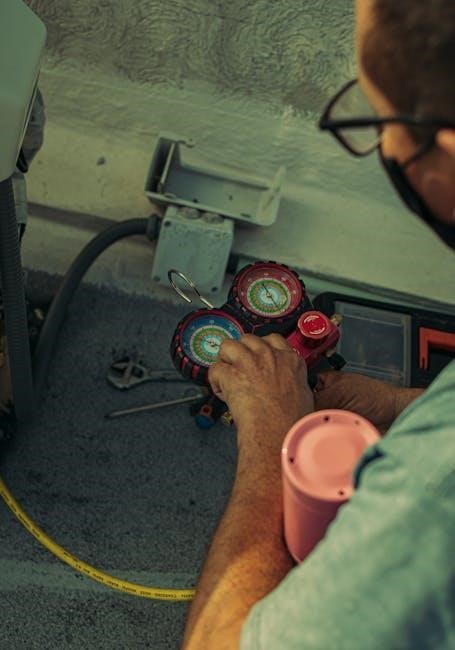
Checking for Obstructions in the Inducer Fan

Begin by safely disconnecting power to the furnace before inspecting the inducer fan. Remove the access panel to the inducer motor and visually examine the fan blades and housing for any obstructions. Common culprits include accumulated dust, lint, debris, or even small animal nests – birds and rodents frequently build within furnace systems.
Carefully remove any visible obstructions, ensuring no fragments fall into the combustion chamber or other sensitive components. Use a vacuum cleaner with a hose attachment to thoroughly clean the fan housing and blades. A blocked inducer fan restricts airflow, preventing the pressure switch from closing and halting furnace operation.
Verifying Power Supply to the Inducer Motor
With the furnace powered on and in a call for heat, carefully use a multimeter to check for voltage at the inducer motor’s wiring terminals. Ensure the multimeter is set to the appropriate AC voltage range. A typical inducer motor requires 120V, but confirm the specific voltage rating on the motor’s nameplate.
If no voltage is present, the issue likely lies with the control board, wiring, or a safety switch preventing power from reaching the motor; Trace the wiring back to the control board, checking for loose connections or damaged wires. If voltage is present but the motor isn’t running, the motor itself is likely faulty and requires replacement.
Testing the Pressure Switch
The pressure switch verifies adequate draft from the inducer motor, ensuring safe combustion. With the furnace attempting to ignite, use a multimeter to check for continuity across the pressure switch terminals. Continuity indicates the switch is closed, allowing the gas valve to open.
If no continuity exists, the switch isn’t sensing sufficient draft. First, confirm the inducer motor is running and creating airflow. Check for obstructions in the vent pipe or inducer fan housing. If airflow is present, the switch itself may be faulty and require replacement. Gently blow into the pressure switch hose; it should click and show continuity.
B. Troubleshooting the Gas Valve & Ignition System
A malfunctioning gas valve or ignition system prevents heat generation. Begin by confirming gas supply to the furnace – check the main gas shut-off valve and ensure it’s fully open. A gentle tap on the gas valve with a screwdriver while the igniter energizes can sometimes dislodge a stuck valve.
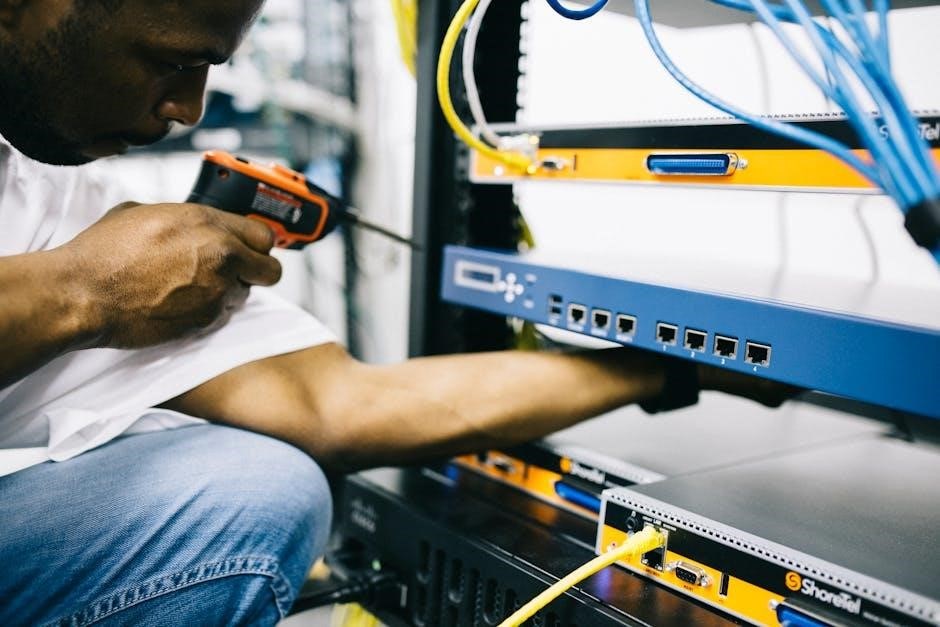
Next, test the Hot Surface Igniter (HSI). Observe if it glows brightly; a weak or flickering glow indicates a failing igniter. Inspect the flame sensor for cleanliness; a dirty sensor won’t detect the flame, shutting off the gas. Clean it with fine steel wool. If issues persist, a professional diagnosis is crucial, as gas leaks are dangerous.
Confirming Gas Supply to the Furnace
Ensuring adequate gas supply is the first step in diagnosing no-heat situations. Start by verifying the main gas shut-off valve, located near the gas meter, is fully open. Check for any visible damage to the gas line itself. If other gas appliances are working, it suggests the main supply is active, narrowing the issue to the furnace connection.
Carefully inspect the gas valve on the furnace. A professional should test the gas pressure at the valve to confirm it meets manufacturer specifications. Low gas pressure can cause incomplete combustion or prevent ignition. Never attempt gas line repairs yourself; always call a qualified technician to avoid dangerous leaks and potential explosions.
Testing the Hot Surface Igniter (HSI)
The Hot Surface Igniter (HSI) is crucial for initiating combustion. Visually inspect the HSI for cracks or damage; a compromised igniter won’t heat sufficiently. With the power off, use a multimeter to check the HSI’s resistance – an open circuit indicates failure. During a heating cycle, observe the HSI; it should glow brightly within 30-60 seconds.
If the HSI glows but the gas doesn’t ignite, briefly tapping the gas valve with the back of a screwdriver while the HSI is energized can sometimes dislodge a stuck valve. However, this is a temporary fix and requires professional attention. A weak or failing HSI will eventually require replacement to ensure safe and reliable furnace operation.
Inspecting the Flame Sensor
The flame sensor is a safety device that verifies the presence of a flame. A dirty or faulty flame sensor is a common cause of furnace shutdowns. Carefully remove the flame sensor and visually inspect it for carbon buildup or corrosion; a coating can prevent proper operation. Gently clean the sensor with fine steel wool or sandpaper, ensuring you don’t scratch it excessively.
Reinstall the sensor and observe during a heating cycle. A properly functioning sensor should allow the furnace to continue running. If the problem persists, use a multimeter to test the sensor’s continuity – it should show a reading. A lack of continuity indicates a failed sensor requiring replacement. Regular inspection and cleaning are vital for maintaining safe furnace operation.
C. Troubleshooting Airflow Issues
Restricted airflow is a frequent cause of furnace problems, leading to overheating and potential shutdowns. Begin by checking the air filter – a dirty filter significantly reduces airflow. Ensure you’re using the correct filter type; overly restrictive pleated filters can exacerbate the issue. Inspect the evaporator coil (if present) for dust and debris buildup, potentially requiring cleaning or replacement.
Examine the secondary heat exchanger for obstructions, which can also impede airflow. Clean the blower wheel and housing to remove accumulated dust, improving fan efficiency. Insufficient airflow can trigger the limit switch, causing the furnace to cycle on and off. Addressing these airflow issues is crucial for optimal performance and preventing further damage.
Checking the Air Filter – Type & Cleanliness
The air filter is the first line of defense against dust and debris, protecting the furnace’s vital components. Regularly inspect the filter’s cleanliness; a visibly dirty filter restricts airflow, forcing the furnace to work harder. Consider the filter’s MERV rating – higher ratings capture more particles but can also restrict airflow excessively.
Avoid using overly restrictive, high-performance filters if your furnace struggles with airflow. A standard pleated filter is often sufficient for most homes. Replace disposable filters every 1-3 months, or more frequently if you have pets or allergies. Ensure the filter fits snugly in its frame to prevent air from bypassing it. A clean filter is essential for efficient operation.
Inspecting the Evaporator Coil (if applicable) for Blockage
If your furnace shares a plenum with an air conditioner, the evaporator coil sits above it and can accumulate dust and debris over time. This buildup restricts airflow, mimicking a dirty filter and causing the furnace to overheat or short cycle. Accessing the coil requires careful inspection; you may need to create an access panel in the ductwork or carefully remove the coil itself.
Look for a thick layer of dust or mold on the coil’s fins. Use a specialized coil cleaner and a soft brush to gently remove the blockage, avoiding damage to the delicate fins. Professional cleaning is recommended for heavily soiled coils. Ensure proper drainage from the coil to prevent water damage and mold growth.
Examining the Secondary Heat Exchanger for Obstructions
The secondary heat exchanger, depending on its design, can also become obstructed by dust and debris, mirroring the issues caused by a dirty evaporator coil. Accessing this component often requires removing the blower motor, providing a clear view upwards into the exchanger. Carefully inspect for visible blockages or a significant buildup of dust, lint, or other foreign materials.
Use a vacuum with a brush attachment to gently remove any loose debris, being cautious not to damage the delicate fins. A flashlight can aid in illuminating hard-to-reach areas. If significant obstructions are present, professional cleaning may be necessary. Remember that a severely blocked heat exchanger can lead to overheating and potential safety hazards.
Cleaning the Blower Wheel & Housing
Removing the blower motor allows for thorough inspection and cleaning of both the blower wheel and its housing. Dust and debris accumulation on the blower blades significantly restricts airflow, reducing heating efficiency and potentially causing the furnace to overheat. Carefully detach the blower wheel and use a brush and vacuum to remove all visible dust and grime.
Inspect the blower housing for obstructions and clean it thoroughly as well. Ensure all components are completely dry before reassembly. A clean blower wheel and housing are crucial for optimal airflow and efficient heat distribution. Regular cleaning, ideally during annual maintenance, prevents performance degradation and extends the lifespan of the blower motor.
VI. Advanced Troubleshooting & Potential Issues
Beyond basic repairs, Carrier furnaces can present complex challenges requiring specialized knowledge. A failing heat exchanger is a serious concern, potentially releasing dangerous carbon monoxide; professional inspection is vital. Control board diagnostics demand a systematic approach, utilizing a multimeter to test voltages and continuity, and replacement may be necessary if components fail.
Limit switch issues often indicate underlying problems like restricted airflow or overheating; testing ensures proper functionality. Identifying subtle electrical faults requires expertise and appropriate tools. Always prioritize safety when dealing with advanced troubleshooting, and consult a qualified HVAC technician for complex repairs or if you suspect a critical component failure.
A. Identifying a Failing Heat Exchanger
A compromised heat exchanger poses a severe safety risk, potentially leaking carbon monoxide into your home. Visual inspection is crucial, looking for cracks, rust, or blistering – often visible with a mirror and flashlight. Professional CO detection is paramount, even without visible signs. Short cycling can indicate a heat exchanger issue, as the furnace struggles to maintain temperature.
If the furnace consistently shuts down, or you notice soot around the unit, suspect a failing exchanger. A qualified technician should perform a thorough inspection, utilizing specialized tools to detect even hairline fractures. Replacement is often the only safe solution, as repairs are typically not feasible or reliable. Never operate a furnace with a suspected heat exchanger leak.
B. Control Board Diagnostics & Replacement
The control board is the furnace’s central nervous system, orchestrating all functions. Diagnosing control board issues requires a systematic approach, starting with visual inspection for burnt components or damaged wiring. Check for proper voltage supply and test individual outputs using a multimeter. Error codes displayed on the board provide valuable clues, referencing the Carrier’s technical documentation.
If the board is unresponsive or consistently fails tests, replacement is often necessary. Ensure the new board is the correct model for your furnace. Proper grounding and wiring are critical during installation. A qualified technician should handle control board replacement, as incorrect wiring can cause further damage or safety hazards.
C. Limit Switch Issues & Testing
Limit switches are crucial safety devices, preventing overheating by shutting down the furnace. A tripping limit switch indicates an underlying problem, such as restricted airflow or a failing blower motor. Before testing, address potential airflow issues – check the filter and evaporator coil for obstructions. Use a multimeter to test the switch’s continuity; it should be closed under normal operating temperatures.
If the switch remains open even after cooling, replacement is necessary. However, simply replacing the switch without resolving the root cause will lead to repeated failures. A weak limit switch may trip at lower temperatures, suggesting impending failure and requiring immediate attention. Professional diagnosis is recommended to pinpoint the source of overheating.
VII. Resources & Further Information
For detailed Carrier furnace documentation, visit the official Carrier website and access their technical support section. HVAC forums and online communities provide valuable insights from experienced technicians and homeowners facing similar issues. Local HVAC supply stores often offer training resources and can assist with parts identification. Remember, working with gas and electrical systems can be dangerous; always prioritize safety.
Consider consulting a qualified HVAC professional for complex repairs or if you’re uncomfortable performing troubleshooting steps. Carrier’s dealer locator can help you find certified technicians in your area. Regular preventative maintenance, performed by a professional, extends furnace lifespan and ensures optimal efficiency. Always refer to the furnace’s specific model number when seeking assistance or ordering parts.